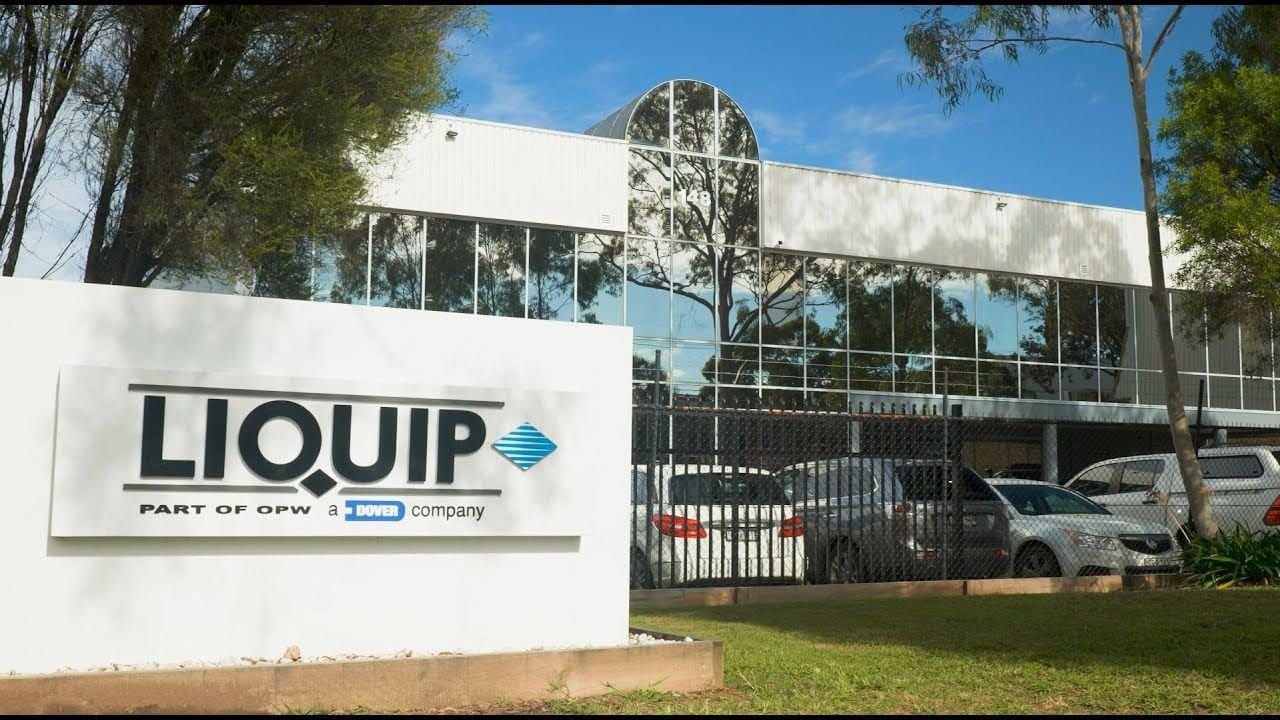
This project involved supporting the development of an updated industrial plant layout for Liquip International, an Australian manufacturer specialising in equipment and systems for bulk liquid storage and transfer.
The project required reviewing the existing manufacturing environment and developing engineering design documentation to support changes associated with future plant requirements, including consideration of hydrogen-related infrastructure.
My contribution focused on translating existing plant conditions and proposed operational requirements into coordinated CAD layouts and technical documentation that could support further engineering review and development.
Project Context
Industrial plant modifications require a different approach from designing equipment in isolation.
The proposed changes needed to work within an existing factory where production equipment, utilities, access routes, material movement and manufacturing activities were already established.
The engineering challenge was therefore to understand the existing facility and determine how future requirements could be accommodated without losing sight of practical manufacturing operations.
The project also involved consideration of Liquip's future hydrogen-readiness requirements, adding another dimension to the plant planning and documentation process.
Existing Plant Assessment
The work began with reviewing the existing factory footprint and equipment arrangement.
Understanding the current condition was essential before developing any revised layout.
Existing machinery, available space, equipment interfaces and operational areas needed to be represented accurately so that proposed modifications could be assessed in the context of the real facility.
This required attention to both individual equipment dimensions and the relationships between different areas of the plant.
The exercise reinforced the importance of accurate baseline information in brownfield engineering projects.
Plant Layout Development
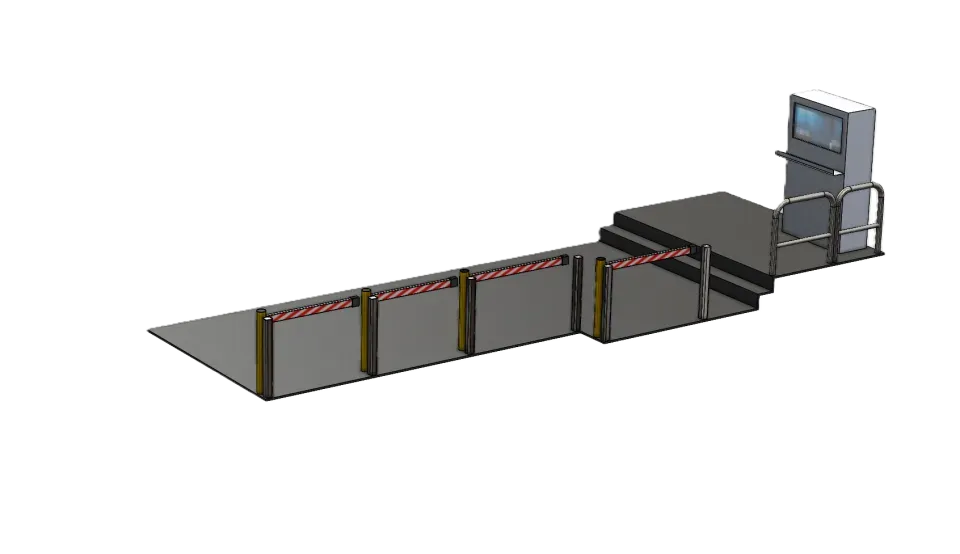
The existing information was developed into coordinated CAD layouts that could be used to investigate potential changes to the facility.
The layout work considered the relationship between equipment, working areas and manufacturing flow.
Rather than treating equipment positioning as a simple space-planning exercise, the broader operating environment needed to be considered.
A plant layout influences how people work, how materials move, how equipment is maintained and how future modifications can be introduced.
The design therefore required a systems-level perspective.
Equipment Integration
A significant part of plant engineering is understanding the interfaces between individual pieces of equipment.
Proposed changes cannot be assessed independently because moving or modifying one element can affect surrounding machinery, access requirements, services and workflow.
The CAD environment allowed these interfaces to be reviewed before physical modifications were undertaken.
This provided a structured basis for evaluating equipment positioning and identifying potential spatial conflicts during the design stage.
Hydrogen-Readiness Considerations
The project also considered future requirements associated with Liquip's hydrogen-readiness program.
My role was centred on the plant design and engineering documentation required to support the developing facility concept.
This required consideration of how future infrastructure could be accommodated within the existing manufacturing environment while maintaining an organised and practical plant arrangement.
Any detailed hydrogen-system engineering, process safety validation, certification or specialist compliance assessment would require the appropriate specialist engineering disciplines.
For portfolio purposes, my contribution is therefore accurately represented as plant layout and engineering design support for a facility considering future hydrogen-related infrastructure.
CAD Engineering and Documentation
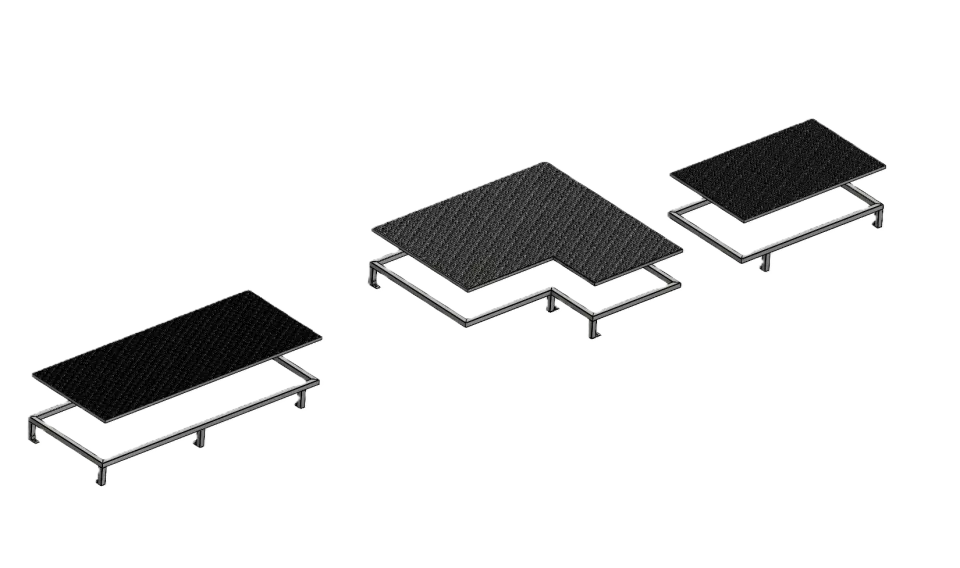
Detailed CAD information was developed to communicate the existing and proposed plant configuration.
The documentation provided a technical reference that could support engineering discussions, design review and subsequent project decisions.
Accuracy and consistency were particularly important because plant-layout drawings often become coordination documents used by multiple stakeholders.
A change shown incorrectly in one location can affect equipment installation, access, services or later construction activities.
The project therefore required disciplined technical documentation as well as design development.
Design Coordination
Plant projects naturally involve multiple requirements.
Production requirements need to coexist with equipment access, maintenance needs, safety considerations and future development.
The project strengthened my experience in considering these requirements together rather than viewing engineering drawings as isolated deliverables.
It also demonstrated the importance of communicating technical information clearly so that stakeholders can review proposed changes and make informed decisions.
Brownfield Engineering
One of the most valuable aspects of the project was working within an existing industrial facility.
Brownfield projects introduce constraints that do not exist in a greenfield development.
Existing assets need to remain functional, available space is limited, interfaces already exist and proposed changes may need to be introduced while operations continue.
This requires an engineering approach based on understanding constraints, managing interfaces and developing solutions around the existing environment.
These principles have remained relevant throughout my later manufacturing and operations improvement work.
Project Deliverables
The work included:
- Review of the existing factory footprint and equipment arrangement
- Development of plant-layout CAD information
- Proposed equipment and facility-layout changes
- Plant and equipment interface consideration
- Engineering design and drafting documentation
- Layout development supporting future facility requirements
- Design support associated with hydrogen-readiness planning
- Technical information supporting stakeholder and engineering review
Project Outcome
The project produced a coordinated engineering layout and documentation basis for reviewing future modifications to Liquip International's manufacturing facility.
Its professional value for me extended beyond the CAD deliverables.
The work required understanding an existing industrial environment, considering equipment interactions, developing proposed arrangements and communicating those changes through structured engineering documentation.
That experience helped strengthen the transition in my career from detailed design toward broader plant engineering and project-delivery thinking.
Capabilities Demonstrated
Industrial Plant Design
Developing engineering layouts around an existing manufacturing facility and equipment environment.
Brownfield Engineering
Working within established plant constraints rather than designing from an unrestricted new-build environment.
Equipment Integration
Understanding the spatial and operational relationships between equipment and surrounding infrastructure.
3D and 2D CAD Engineering
Developing accurate technical information to support design development and engineering review.
Manufacturing Systems Thinking
Considering individual design decisions in the context of the wider production environment.
Design Coordination
Bringing existing conditions, proposed equipment requirements and future facility needs into a coordinated design.
Technical Documentation
Producing engineering information capable of supporting review, planning and subsequent project activities.
Future Infrastructure Planning
Considering how plant arrangements could accommodate developing technology and future operational requirements.
Stakeholder Communication
Using technical layouts and engineering documentation to support discussion and decision-making between project stakeholders.
Engineering Project Development
Supporting the progression from existing-condition assessment through design development, coordination and technical documentation.
Career Development
This project represents an important stage in my progression from detailed mechanical and product design toward industrial engineering and broader engineering project delivery.
Earlier projects strengthened my capability in individual components, assemblies and technical drawings.
The Liquip project required a wider perspective.
I needed to consider how multiple pieces of equipment interacted within a manufacturing facility, how proposed changes affected the surrounding plant and how technical information needed to be coordinated so that other stakeholders could understand and develop the project further.
That systems-level perspective has subsequently become central to my work in manufacturing engineering, operations excellence and project delivery.
My career development has increasingly moved from asking:
“How should this component be designed?”
toward asking:
“How does this engineering change affect the complete operation, what are the interfaces, who is affected, what are the risks and how can the change be successfully delivered?”
That transition from detailed design into broader engineering and project thinking is one of the main themes running through my professional experience.