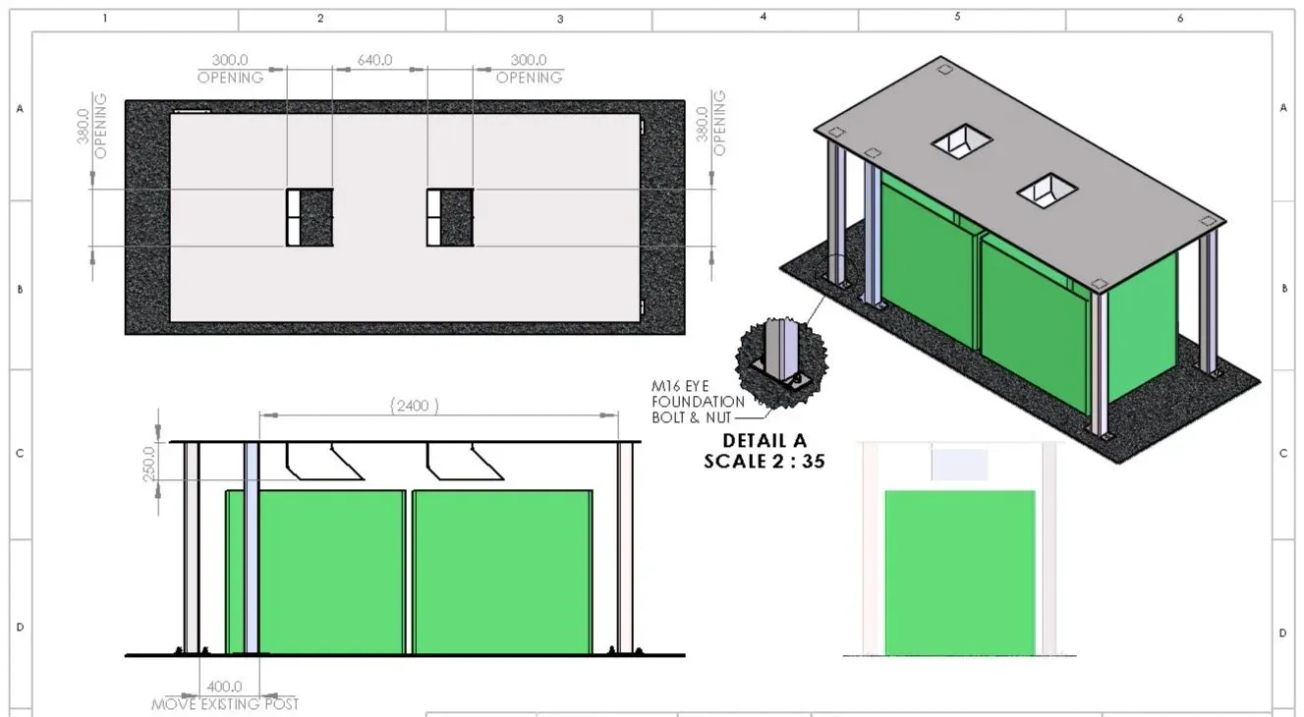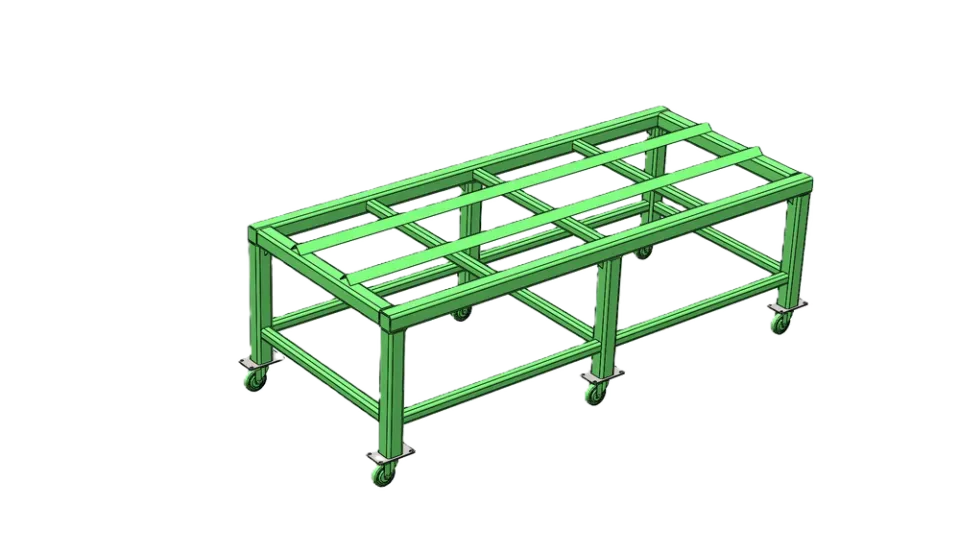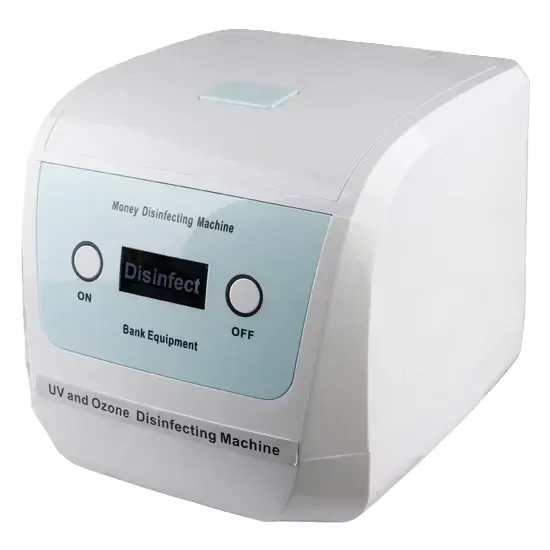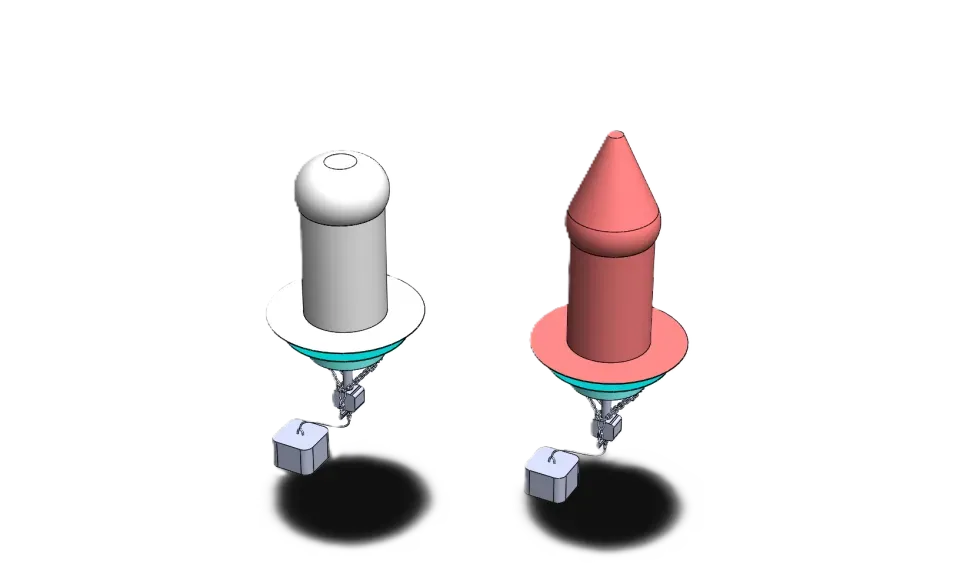
This project involved supporting an Australian manufacturing business with two engineering challenges: improving control over critical tooling components and developing an automation concept for material handling within a food-related blow moulding process.
My contribution focused on translating operational requirements into practical engineering solutions through reverse engineering, 3D CAD modelling, manufacturing documentation and automation concept development.
Project Challenge
The first requirement involved components that were difficult to reproduce internally because complete manufacturing information was not readily available. Creating accurate digital models and drawings would allow the components to be better understood, reproduced and managed through normal manufacturing processes.
The second requirement involved investigating how a repetitive manual handling activity associated with a blow moulding operation could be automated while considering hygiene, equipment integration, accessibility and repeatability.
Together, the work required both detailed mechanical design and a broader understanding of manufacturing operations.
My Role
My involvement included:
- Reviewing existing components and operational requirements
- Reverse engineering component geometry
- Developing detailed 3D CAD models
- Preparing manufacturing drawings and technical documentation
- Reviewing manufacturing feasibility
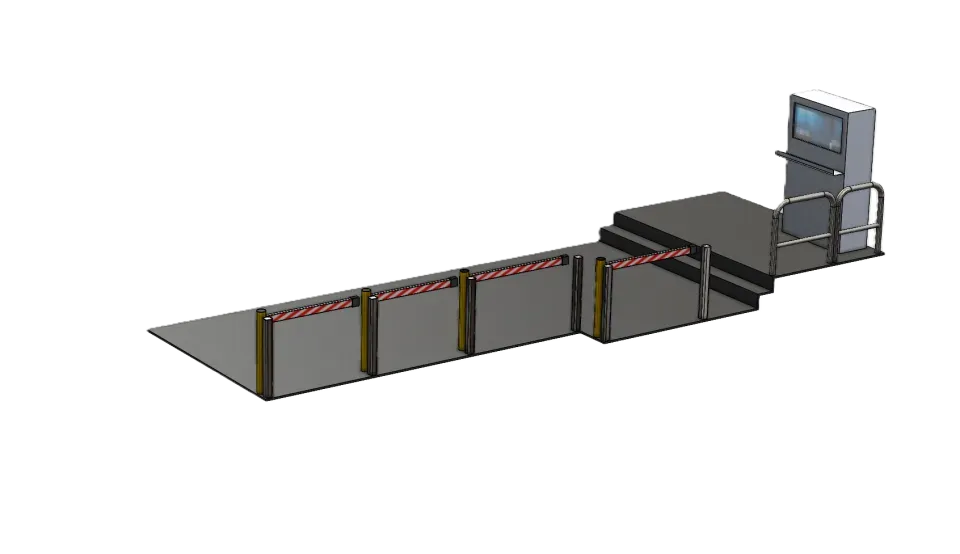
- Developing a pick-and-place automation concept
- Considering equipment layout and integration with the existing process
- Reviewing hygiene and food-production requirements
- Communicating design concepts with project stakeholders
- Refining the design based on technical and operational feedback
The work required balancing technical accuracy with practical manufacturing and operational considerations.
Engineering Approach
For the reverse-engineering scope, existing component geometry and available reference information were used to reconstruct the components digitally.
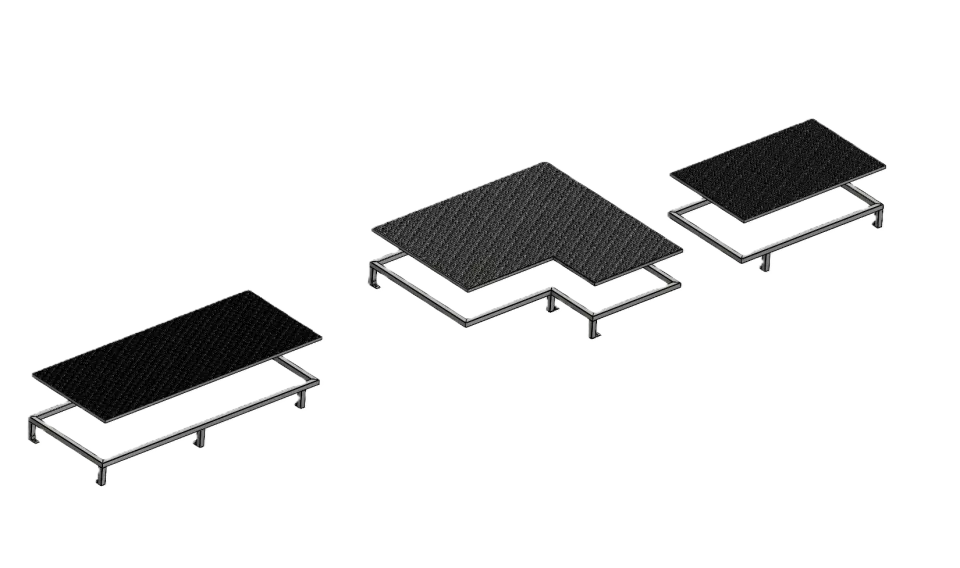
Parametric CAD models were developed so that critical dimensions, features and manufacturing requirements could be clearly defined. These models were then translated into drawings suitable for future manufacturing and technical reference.
For the automation scope, I reviewed the existing production process to understand how components were being handled and where automation could improve consistency and reduce manual intervention.
A pick-and-place concept was then developed around the existing blow moulding process. Particular attention was given to equipment positioning, movement sequence, accessibility, hygienic design considerations and integration with surrounding production equipment.
Rather than treating the task purely as a machine-design exercise, the concept considered the wider production workflow and how the proposed equipment would operate within the manufacturing environment.
Project Deliverables
The engineering work produced:
- Parametric 3D CAD models
- Reverse-engineered component geometry
- Manufacturing drawings
- Technical design documentation
- Pick-and-place automation concept
- Equipment and process-layout considerations
- Design information for further engineering and implementation
The completed design work provided a stronger technical foundation for future component manufacture and potential automation development.
Project Outcome
The reverse-engineering work improved the availability of technical information for critical components and reduced reliance on undocumented component knowledge.
The automation study demonstrated a practical pathway for reducing repetitive manual handling while improving process consistency and considering the hygiene requirements of the production environment.
The project also provided valuable experience in connecting detailed mechanical design with manufacturing operations, automation and process improvement.
Capabilities Demonstrated
Mechanical Design
3D modelling, component development and design documentation.
Reverse Engineering
Converting existing physical components and reference information into controlled engineering models and drawings.
Design for Manufacture
Developing designs with consideration for practical manufacturing methods and production requirements.
Automation Concept Development
Translating a manual manufacturing activity into a structured automation concept.
Manufacturing Process Analysis
Understanding the relationship between equipment, operators, material movement and production workflow.
Stakeholder Coordination
Working through technical requirements, design feedback and operational considerations with stakeholders.
Engineering Project Delivery
Progressing engineering requirements from problem definition through concept development, detailed design and technical documentation.
Career Relevance
This project represents the type of work that has shaped my broader career progression from detailed design into engineering project delivery.
It demonstrates my ability to move beyond producing CAD models and drawings to understanding the operational problem, coordinating requirements, developing practical solutions and producing engineering information that supports implementation.
That combination of engineering knowledge, manufacturing understanding, stakeholder coordination and project delivery continues to underpin my development toward larger multidisciplinary engineering and project leadership responsibilities.