Project Status: Engineering proposal completed. Project subsequently paused by the end client before construction.
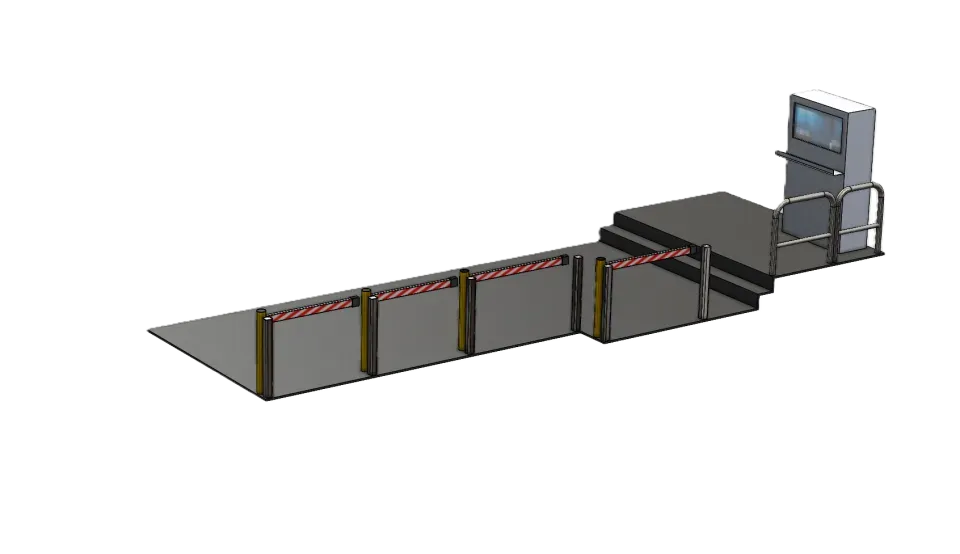
This project involved developing an engineering design proposal for a high-volume bin collection and materials-handling system within a food-manufacturing facility.
The proposed system needed to support significant operational throughput while integrating safely into an existing production environment and allowing for potential future expansion.
The project required consideration of more than structural design alone. Site conditions, operational loads, equipment integration, safety, constructability, project sequencing and contractor requirements all influenced the proposed solution.
My involvement contributed to translating these operational and project requirements into a coordinated engineering concept suitable for further development and implementation.
Project Context
MNS Solutions was working as the primary contractor on a major food-manufacturing project requiring a bin collection system for Pet Food Projects.
The system needed to accommodate high-volume material movement while fitting within an active industrial facility.
Several requirements needed to be considered simultaneously:
- Structural performance
- Operational throughput
- Equipment and plant integration
- Safe material movement
- Existing site constraints
- Constructability
- Project sequencing
- Cost considerations
- Future expansion
- Minimal disruption to ongoing operations
This meant that the engineering solution needed to be developed as part of the wider manufacturing system rather than as an isolated structure.
Understanding the Requirements
The design process began by reviewing the operating environment and defining the main engineering constraints.
Site conditions, expected loads, production requirements and surrounding infrastructure were considered to establish the basis for the proposed system.
This early requirements-definition stage was important because the performance of the structure depended directly on how the equipment would be used within the production process.
The project therefore required an understanding of both the physical structure and the operational workflow surrounding it.
Structural Design Development
The structural concept was developed around the loads and operating conditions expected within the materials-handling system.
Structural performance under operational and environmental conditions formed part of the engineering assessment.
The objective was to create a configuration capable of providing the required performance while remaining practical to fabricate, install and maintain.
Rather than maximising structural complexity, the design approach focused on developing an efficient arrangement appropriate to the operational requirements.
Materials Handling Integration
A major consideration was how the bin collection system would function within the wider manufacturing process.
Material movement, equipment interfaces and surrounding operational activities needed to be considered together.
The proposed arrangement therefore looked beyond the structure itself and considered how materials would move through the system and how the equipment would interact with the production environment.
This systems-level thinking is particularly important in manufacturing projects because changes to one piece of equipment can influence multiple downstream and upstream processes.
Modular and Scalable Design
Future expansion was considered during development of the concept.
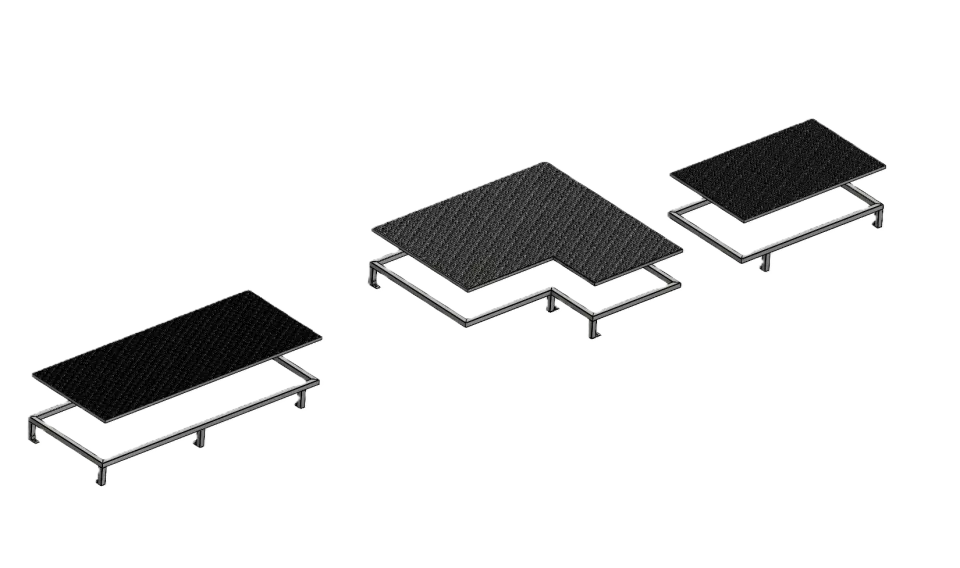
A modular design approach was proposed so that additional capacity could potentially be incorporated without requiring complete replacement of the existing system.
This approach also supported more practical fabrication, transportation and installation.
Designing for scalability provided the project with greater flexibility if production requirements changed over time.
Constructability
Constructability was considered alongside the engineering requirements.
The proposed system needed to be capable of being fabricated and installed within the constraints of an existing industrial environment.
This involved considering:
- Fabrication methodology
- Component size
- Modular assembly
- Site access
- Installation sequence
- Existing plant and equipment
- Production constraints
- Maintenance requirements
Considering these factors during design helped reduce the likelihood of creating a technically valid solution that would be unnecessarily difficult to implement.
Contractor Coordination
The project involved working with MNS Solutions as the primary contractor.
Technical decisions therefore needed to align with the broader requirements of the project, including construction sequencing, cost awareness and practical implementation.
This required balancing engineering objectives with contractor priorities.
The experience reinforced the importance of understanding that engineering projects are delivered through multiple stakeholders, each with different responsibilities and constraints.
Effective design therefore requires both technical capability and coordinated decision-making.
Risk and Design Review
Potential engineering and implementation risks were considered during the design-development process.
Early review of structural, integration and constructability issues helped identify questions before they could become more significant during fabrication or installation.
This approach reflects an important principle in project delivery:
Issues identified during design are generally easier to resolve than issues discovered during construction.
Bringing design, operational and contractor perspectives together early therefore supported better-informed engineering decisions.
Cost and Engineering Balance
The proposed solution also needed to remain commercially practical.
Structural performance, modularity and future flexibility had to be balanced against fabrication complexity and implementation cost.
Engineering decisions were therefore considered not only from a technical perspective but also in terms of their impact on construction and project delivery.
This experience strengthened my understanding that successful engineering solutions need to balance:
Safety + Performance + Cost + Constructability + Operational Requirements
rather than optimising any single factor independently.
Project Deliverables
The engineering proposal incorporated:
- Site-condition assessment
- Operational requirements review
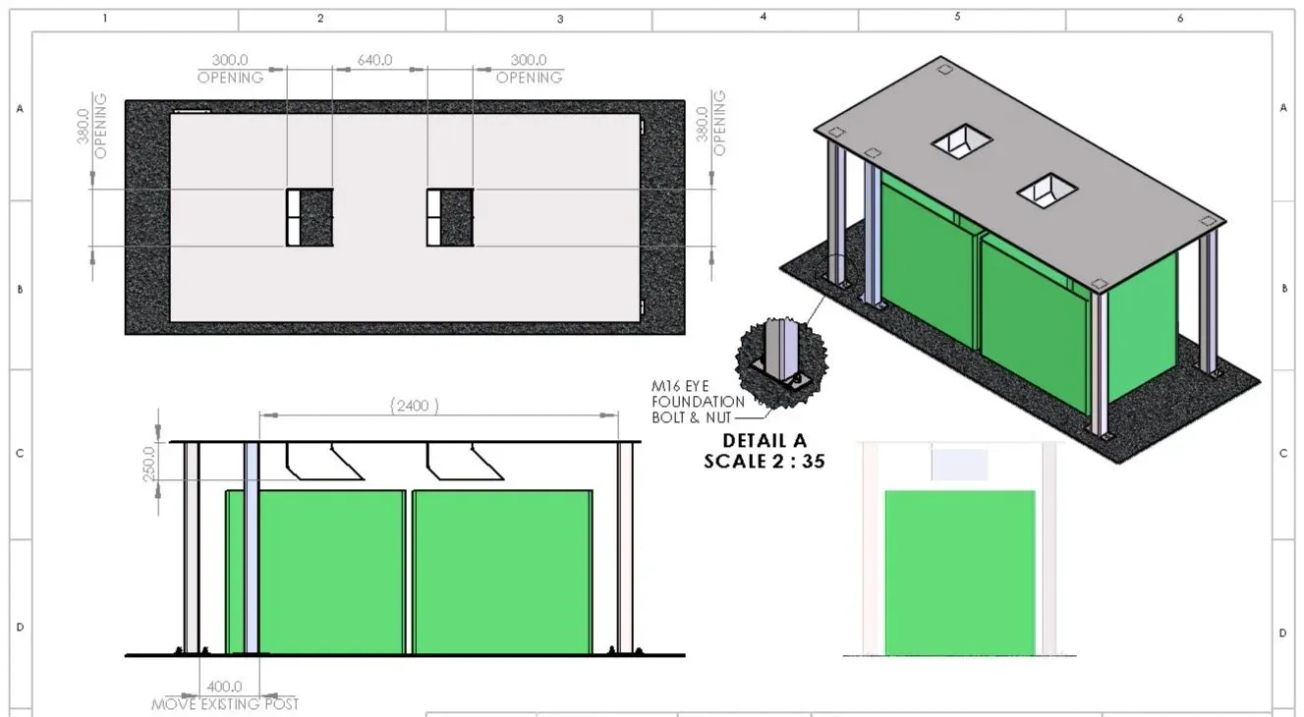
- Structural design concept
- Operational load considerations
- Materials-handling system integration
- Modular structural arrangement
- Future-expansion considerations
- Constructability assessment
- Installation and sequencing considerations
- Engineering risk review
- Contractor coordination
- Design documentation supporting potential implementation
Project Outcome
A defined engineering concept was developed for the proposed bin collection system.
The solution addressed structural requirements while also considering operational throughput, manufacturing integration, constructability and future expansion.
The end client subsequently paused the project because of a change in internal strategy, so the proposal did not progress into fabrication, installation or commissioning.
For portfolio purposes, the project is therefore accurately presented as an engineering design and project-development engagement, rather than as a completed construction project.
Capabilities Demonstrated
Engineering Requirements Definition
Translating production, site and contractor requirements into defined engineering considerations.
Structural Design
Developing a structural concept around operational and environmental loading requirements.
Materials Handling
Understanding how structural equipment interfaces with material movement and manufacturing processes.
Industrial Plant Integration
Considering the proposed system in relation to existing production infrastructure and operations.
Design for Manufacture and Assembly
Considering fabrication, modularisation, transportation, assembly and installation during design development.
Constructability
Evaluating whether the proposed engineering solution could be practically implemented within the existing facility.
Risk Management
Identifying technical and implementation issues during the design stage rather than allowing them to emerge during construction.
Stakeholder and Contractor Coordination
Working within a project environment involving engineering, contractor and end-user requirements.
Cost-Conscious Engineering
Balancing engineering performance with practical construction and project considerations.
Scalable Design
Developing a modular approach that could support future expansion.
Engineering Project Delivery
Connecting requirements, technical design, stakeholder coordination, risk, cost and implementation considerations within one project.
Career Development
This project represents an important progression in my engineering career because the problem extended beyond producing a structure or drawing.
The project required understanding the operating environment, defining requirements, considering loads, coordinating with a primary contractor, evaluating constructability and thinking about how the proposed system could eventually be fabricated and integrated into an operating manufacturing facility.
That broader responsibility is closely aligned with my progression from detailed engineering design toward engineering project delivery.
My technical background gives me the ability to understand design detail, while my project-management and operations experience allows me to consider the wider questions:
What is the operational requirement?
What are the project constraints?
Who are the key stakeholders?
What risks need to be addressed?
Can the solution be manufactured and installed practically?
How does the design affect production?
How can future requirements be accommodated?
These are the questions that increasingly define my approach to engineering projects and support my continued progression toward larger multidisciplinary project and engineering leadership responsibilities.